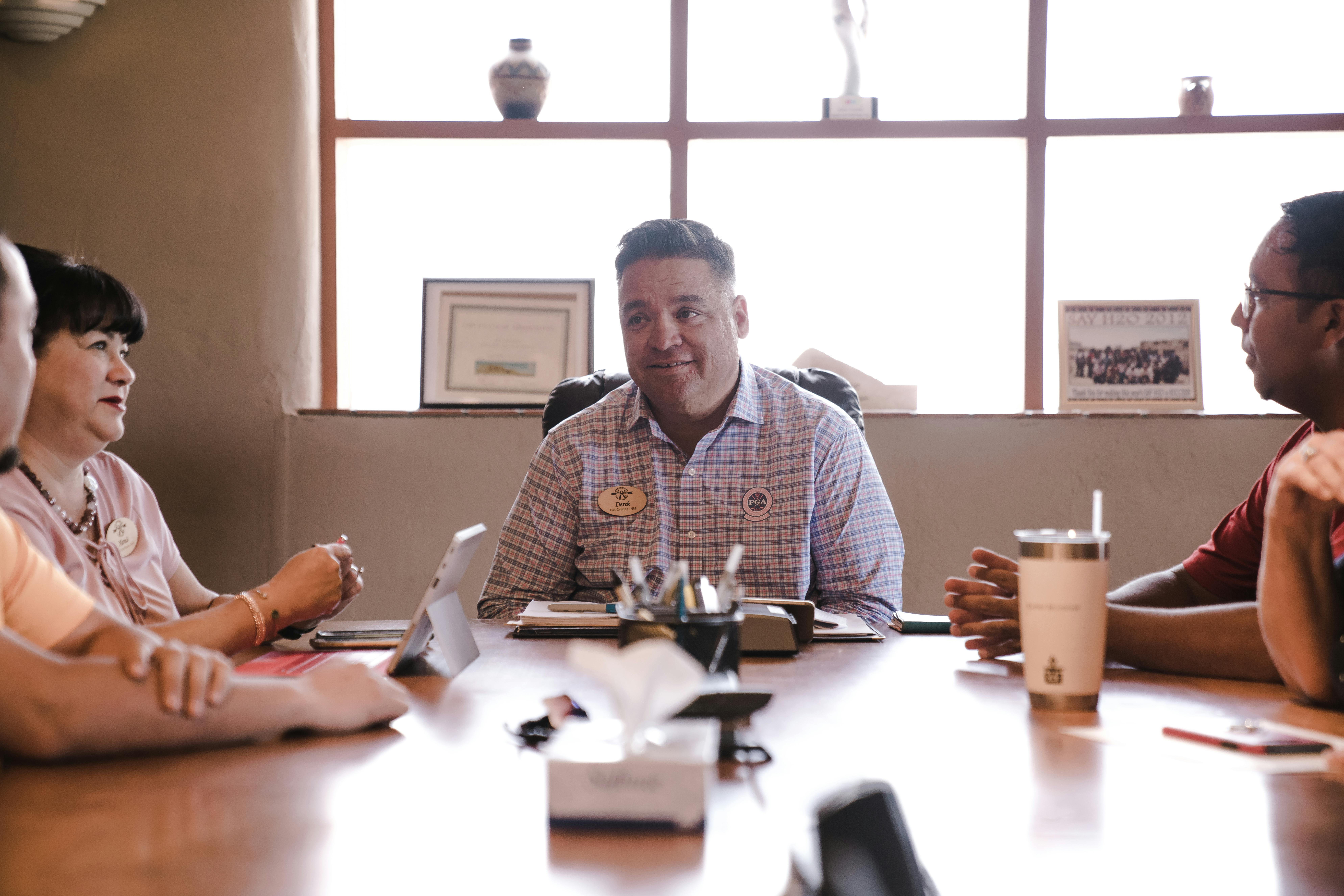
Community-focused outreach is built on moments that happen face-to-face. A conversation at a doorstep, a discussion at a local event, or a meaningful exchange in a shared space can shape how someone feels about a cause long after the interaction ends.
These moments carry weight because they involve real people responding to real stories, not automated messages or distant campaigns. For organizations that depend on public trust and participation, relationships are not a secondary consideration. They are the foundation.
Developing an intentional client relationship strategy is essential for organizations that want their outreach efforts to lead to genuine engagement rather than fleeting attention. Relationship building in this space requires clarity, discipline, and a deep respect for the communities being served. It also demands that organizations think beyond immediate outcomes and focus on how each interaction contributes to a broader mission.
The following five approaches explore how relationship-driven outreach can be built and implemented with purpose, depth, and lasting impact.
1. Lead With Mission Before Metrics
A relationship rooted in purpose is stronger than one built solely on results. When outreach begins with a clear explanation of why a campaign exists and who it serves, people are more likely to listen and engage thoughtfully. Starting with mission signals that the interaction is about shared values rather than a one-sided request.
An effective client relationship strategy prioritizes storytelling that reflects real needs and real outcomes. Representatives should be able to articulate the cause in a way that feels human and grounded. This requires a strong internal understanding of the organization’s goals and the communities it supports.
To set the tone early, teams can focus on:
- Explaining the mission in clear and relatable language
- Connecting the cause to local or personal relevance
- Allowing space for dialogue instead of rushing the message
After the initial explanation, it is important to reinforce the mission through consistent messaging. People remember clarity and sincerity, especially when they feel the purpose aligns with their own values. By keeping the mission at the center of every interaction, organizations create a framework for trust that supports deeper relationships.
2. Establish Credibility Through Reliable Practices
Trust is vital to business success. Trust is reinforced through behaviour, not promises. In community outreach, credibility is shaped by how consistently an organization shows up and how accurately it represents its work. A thoughtful client relationship strategy includes clear standards for conduct, communication, and accountability that guide every interaction.
When organizations commit to ethical practices and transparent messaging, they reduce uncertainty and create a sense of reliability that audiences can recognize quickly. This consistency helps people feel more comfortable engaging in meaningful dialogue rather than approaching the interaction with hesitation.
Key Steps to Preparing for Sales Conversations
Reliability starts with preparation. Representatives should be well-informed and confident in discussing the campaign, including its goals, processes, and impact. This level of preparedness demonstrates respect for the audience’s time and intelligence while reinforcing professionalism.
When questions are answered clearly and without hesitation, it strengthens confidence in the organization and supports a more productive exchange. Credibility is strengthened by:
- Maintaining consistent messaging across interactions
- Being transparent about how support is used
- Addressing questions honestly without deflection
Once credibility is established, relationships become easier to maintain. People are more receptive when they feel they are engaging with an organization that values integrity. Consistent practices also reduce confusion and reinforce the sense that each interaction is part of a coordinated effort rather than an isolated encounter.
3. Adapt Engagement to Individual Motivations
People connect to causes for different reasons, and effective outreach recognizes these differences. A strong client relationship strategy allows room for flexibility so conversations can reflect individual motivations rather than a single generic pitch.
Some individuals may be driven by community improvement, while others care deeply about specific outcomes or personal experiences related to the cause. Identifying these motivations requires attentive listening and thoughtful responses. Personalization does not mean changing the mission. It means framing it in a way that resonates.
Engagement can be tailored by:
- Asking open-ended questions to understand priorities
- Adjusting explanations based on the listener’s interests
- Respecting personal boundaries during discussion
After identifying what matters most to someone, it is important to acknowledge it directly. This validation helps people feel heard and respected. When interactions feel relevant and considerate, relationships gain depth and authenticity, making continued engagement more likely.
4. Maintain Connection Through Structured Communication
Initial outreach creates awareness, but sustained relationships depend on what happens next. Structured communication ensures that interest is nurtured rather than lost. A comprehensive client relationship strategy includes clear plans for staying in touch without overwhelming supporters.
Follow-up communication should serve a purpose. It can provide updates, express appreciation, or reinforce the impact of involvement. The key is relevance and timing. Thoughtful outreach demonstrates that the relationship is valued beyond the first interaction.
Methods for maintaining connection include:
- Sharing meaningful progress updates
- Recognizing participation with sincere gratitude
- Applying proven follow-up techniques for businesses to stay organized
After communication is sent, it should be evaluated for effectiveness. Teams can assess whether messages are being received positively and adjust accordingly. Consistent, purposeful follow-up helps keep relationships active and reinforces a sense of shared commitment.
5. Invest in Team Development and Alignment
Relationships are built by people, not systems. Training and support play a critical role in ensuring that outreach teams can represent a cause effectively and respectfully. A resilient client relationship strategy depends on individuals who understand both the mission and the principles of ethical engagement.
At Rising Star Executives, team development focuses on communication skills, adaptability, and accountability. This approach ensures that representatives feel confident navigating different conversations while staying aligned with organizational values.
Strong team alignment can be supported through:
- Ongoing coaching focused on real interaction scenarios
- Constructive feedback grounded in observation
- Opportunities for collaboration and shared learning
After training sessions, teams benefit from reflecting on their experiences. Open discussion about challenges and successes helps refine approaches and maintain consistency. When teams feel supported and aligned, the quality of relationships built in the community improves significantly.
Building Relationships is Just the First Step
Building strong community relationships requires intention at every stage of outreach. From the first conversation to continued communication, each interaction contributes to the overall perception of a cause and the organization behind it. A well-executed client relationship strategy provides structure while allowing flexibility, ensuring that relationships are built on trust, respect, and shared purpose.
By leading with mission, reinforcing credibility, personalizing engagement, maintaining thoughtful communication, and investing in teams, organizations can create connections that extend beyond initial interest. These connections help convert interest into loyalty, supporting long-term impact and sustained community involvement.
Relationship-driven outreach is not about volume or speed. It is about quality, consistency, and care. When organizations commit to these principles, their efforts resonate more deeply, empowering communities and advancing causes that truly matter.
To learn how a relationship-driven outreach approach can strengthen your community connections, explore what Rising Star Executives has to offer. Our team is committed to helping organizations build meaningful engagement that supports real causes and real people. Contact us today to take the next step toward a stronger, more intentional client relationship strategy by partnering with a team that values purpose and connection.